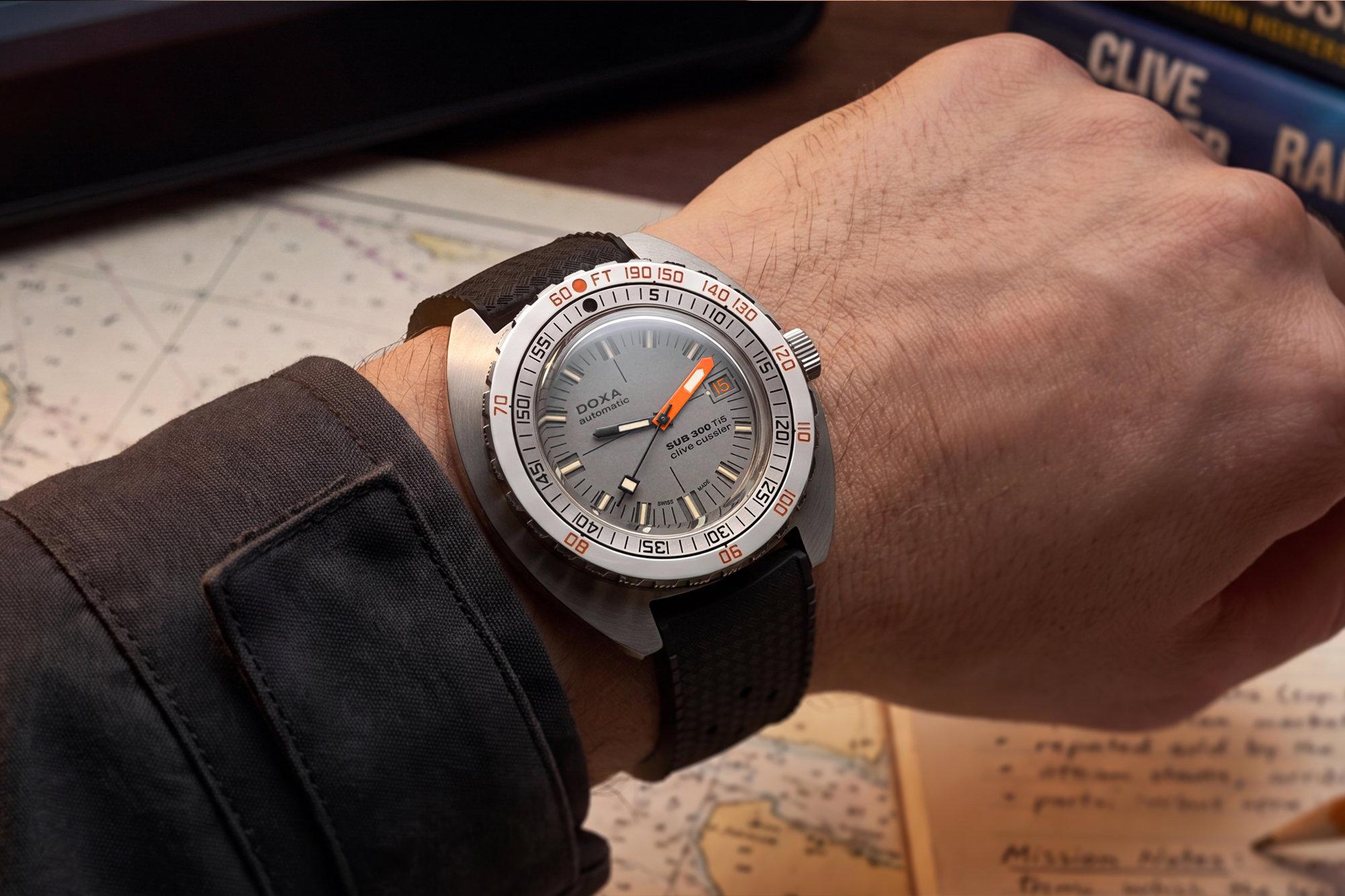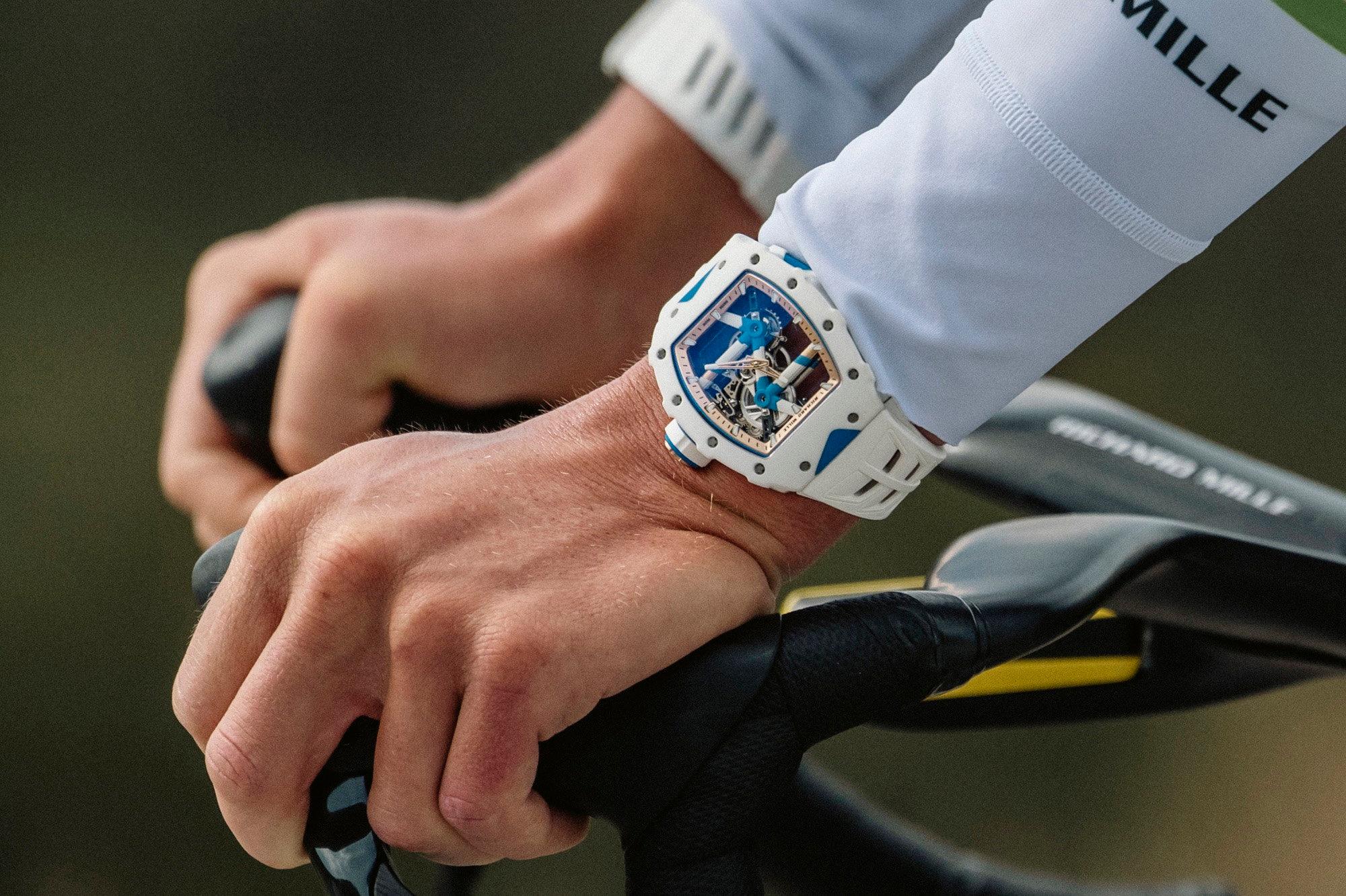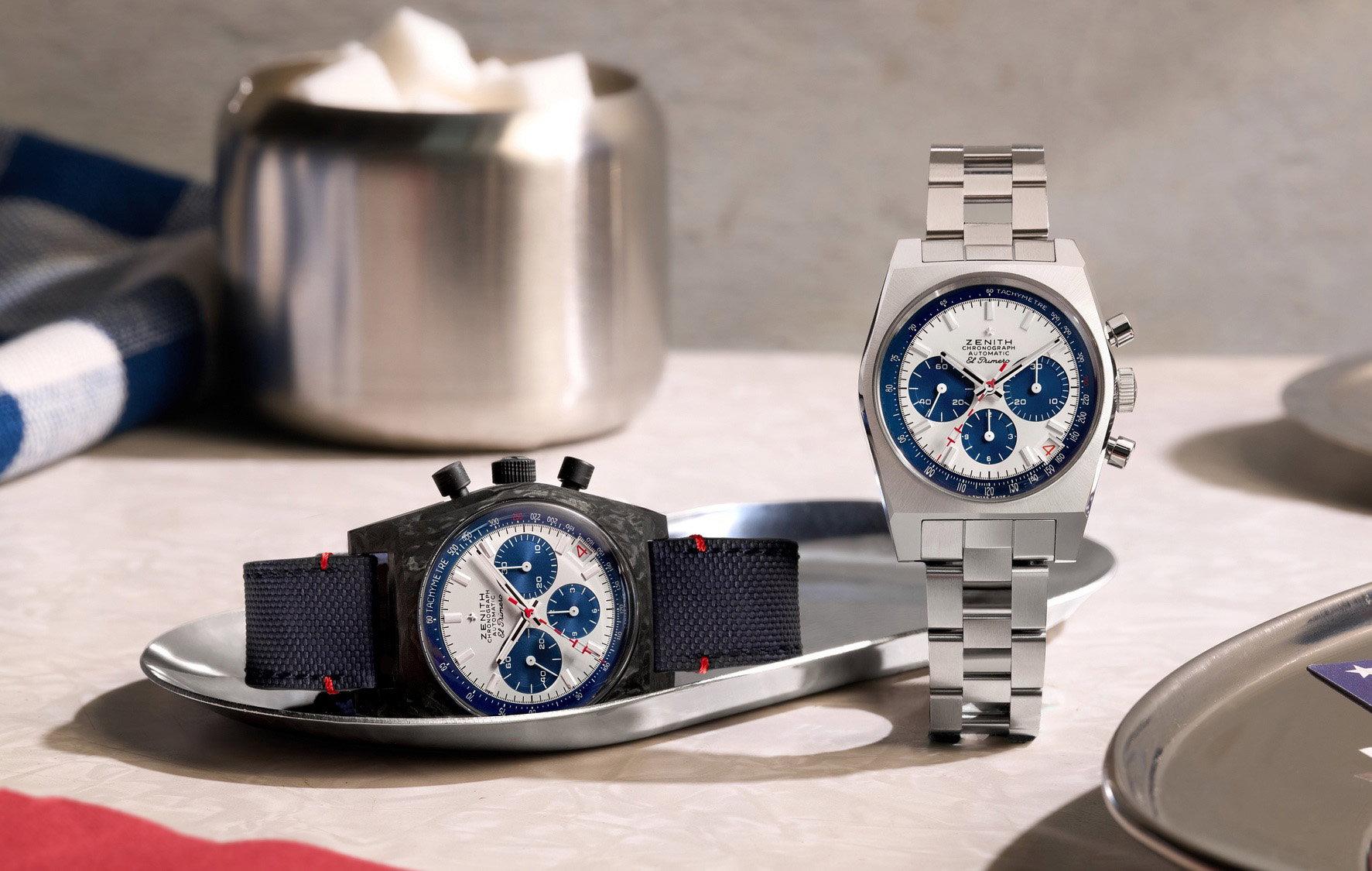
For most of the last decade, the fastest way to sell a watch in Melbourne was to put a rotating bezel on it. Submariners, Black Bays, Seamasters, Pelagos: they moved, they held, and they set the tone for everything else on the floor. That is still a good business. It is no longer the interesting one.
Across our first half of 2026, chronographs sat on the floor an average of eleven days fewer than divers at a comparable price, and they closed nearer to asking. That is a small sample from one showroom, so treat it as a signal rather than an index. But it matches what we hear from the trade, and it matches what buyers are asking us for when they walk in without a reference in mind.
What is actually moving
Three things at once, and they are not the same buyer.
The first is the obvious one. Steel Daytonas, particularly the 116500LN, have stopped falling. The white dial and the black dial have traded within a few thousand dollars of each other all year, after a long stretch where the white commanded a clear premium. When two variants of the same reference converge, the speculative money has usually left and the wearers have taken over. That is a healthier market, even if it is a less exciting one.
The second is vintage-styled chronographs from makers who have the history to justify the styling. Pump pushers, tri-compax layouts, cases under 40mm, dials with a bit of warmth in them. These have been climbing quietly for two years and almost nobody writes about it, because the individual pieces are not expensive enough to make headlines.
The third is the Speedmaster, which never really left. The Moonwatch remains the single most requested watch under $15,000 in our enquiry inbox, and hesalite examples with full sets have been getting harder to source, not easier.
Why the buyer changed
Part of it is fatigue. A buyer who has owned two divers already knows what the third one will feel like. A chronograph offers a different kind of ownership: something to operate, a dial with more going on, a case profile that changes how the watch sits under a cuff.
Part of it is price discipline. The people buying now are, on the whole, buying to keep. When the holding period stretches from eighteen months to ten years, the calculation changes. A movement with a column wheel and a vertical clutch is a better long-term proposition than a time-only automatic at the same money, provided you actually use it and service it properly.
And part of it is simple availability. Waiting lists on the headline sports models have not eased enough to matter. Chronographs, outside of the Daytona, are mostly available. Availability is undervalued.
Where we would be careful
Not every chronograph is a good buy, and the segment carries risks that divers do not.
Service costs are higher, sometimes substantially. A chronograph movement has more to go wrong and more to regulate, and a neglected one is expensive to bring back. Ask for the service history before you ask for anything else. A watch that has never been opened in fifteen years is not a bargain, it is a bill you have not received yet.
Pusher feel matters more than people expect. A soft, vague, or gritty pusher on an otherwise clean watch usually means the movement wants attention. Test all three functions in front of the seller: start, stop, reset to zero, and check that the seconds hand lands cleanly on twelve.
Dial condition is the whole game on anything vintage. A redialled chronograph is worth a fraction of an honest one, and the difference is not always visible in a listing photograph.
What we would buy today
If you are buying to wear, a full set Speedmaster Professional remains the most watch you can get for under $15,000, and we would take a serviced 2019 example over an unworn one with an unknown drawer history.
If you are buying with an eye on value, look at the 116500LN while the two dial colours are still level. That gap has closed before and it has reopened before.
And if you already own the obvious ones, this is the moment to look at the chronographs that do not have a queue attached. Those are the ones the market tends to notice last.
We have a small number of chronographs on the floor at any time and most of them are spoken for before they are photographed. If you want first sight of what comes in, tell us the reference and we will call you.