The dive watch is the most bought and least used tool in watchmaking. A tiny fraction of the ones we sell will ever go below three metres, and both the buyer and the seller know it. That is not hypocrisy. It is just worth being honest about which parts of the specification are doing real work on a wrist in Collins Street, and which are there for the story.
Depth rating is the part that matters least
The gap between 200m and 300m is meaningless for anyone who is not saturation diving, and the difference between 300m and 1000m is a marketing conversation. What the rating does tell you is how seriously the case has been engineered: a screw-down crown, a properly gasketed caseback and a crystal thick enough not to flex. A 200m watch built by a maker who tests every case is a better object than a 500m watch that has never seen a pressure tank.
The helium escape valve is the clearest example. It solves a problem that occurs in a saturation diving bell and nowhere else. It is not a flaw, it is just not a feature, and it should not move your decision by a dollar.
The bezel is the part you will actually use
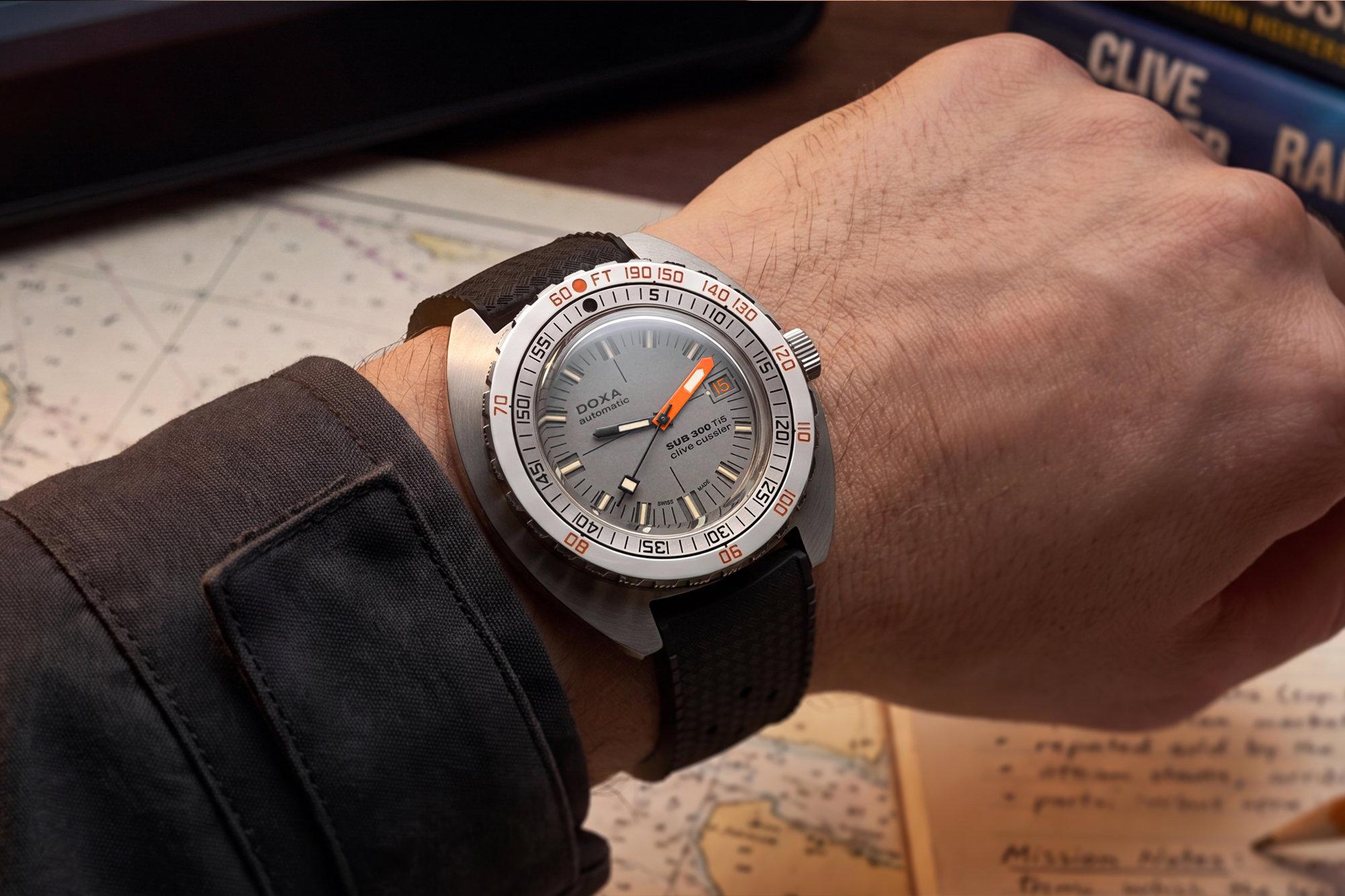
Pick the watch up and turn it. A good bezel has clean, positive clicks with no back play, and the pip lines up exactly with twelve when it stops. Play at the zero position is the single most common fault on pre-owned divers and it is one of the more annoying ones to live with, because you notice it every time.
Count the clicks. 120 is standard, 60 is not a problem, and anything that feels gritty rather than crisp usually means the spring underneath needs cleaning. It is a cheap fix, but it should be reflected in the price.
Sixty minutes of graduation on the first quarter is more useful than a fully graduated bezel for most people, because the real world use of a dive bezel is a parking meter, a coffee brew and a phone call.
Lume tells you when the watch was made and how well it was looked after
Modern Super-LumiNova charges fast and fades on a predictable curve. If a watch from the last fifteen years takes a long time to charge or dies within an hour, the dial has usually been exposed to something it should not have been, and that is worth asking about.
On anything vintage, lume is the single fastest way to spot a redial. Plots should sit slightly proud of the dial surface, they should show honest variation in tone between them, and they should match the hands. Perfectly even, perfectly white lume on a 1970s watch is a red flag, not a bonus.
Case material changes the watch more than the dial does
Titanium sits noticeably lighter and warmer against the skin, and it takes scratches more readily than steel but shows them less, because the finish is matte to begin with. It also cannot be brought back the way steel can. If you buy titanium, buy the wear as it is.
Steel is heavier, brighter and more repairable. On a bracelet at 41mm and above, the weight is not a small thing over a full day.
What to check before you hand over money
Screw the crown down and unscrew it slowly, feeling for grit in the threads. A crown that binds is a water resistance failure waiting to happen and a repair that is out of proportion to its size.
Push the endlinks. They should sit flush with no gap at the lug, and a gap that opens as you flex the bracelet means stretch, which is permanent and which costs real money to correct on the models where it can be corrected at all.
Ask when the gaskets were last replaced. Not the service, the gaskets. They are rubber, they perish on a schedule of about five years regardless of how the watch has been kept, and any dealer who has actually had the watch open will know the answer.
Then wear it in the shower
The best argument for a dive watch has nothing to do with diving. It is that you never have to think about it. No fear of rain, no removing it to wash your hands, no calculation before a swim. That is the feature you are actually buying, and it is a good one.
We usually have Submariners, Black Bays and Seamasters in stock across a wide range of budgets. Come in and turn a few bezels before you decide.