The first serious watch is easy to buy. It is a Submariner, a Speedmaster, a Datejust or a Black Bay, and it is easy because the decision has effectively been made for you by fifty years of consensus.
The second one is where people go wrong. We watch it happen most weeks: a buyer who chose brilliantly the first time comes back and buys something almost identical, or something so different that it never gets worn. Both outcomes are avoidable.
Start with the gap, not the watch
Before looking at anything, work out what your existing watch cannot do. Not in theory, in your actual week.
If it is a 41mm steel sports watch on a bracelet, then it handles almost everything and the gap is at the two ends: something that disappears under a cuff, or something you can wear without thinking on a Saturday. If it is a dress watch, the gap is durability. If it is a chronograph, the gap is usually simplicity.
Write down the gap in one sentence. If you cannot, you do not need a second watch yet, and there is no shame in that.
The three second watches that work
In our experience there are really only three good answers, and which one is right depends entirely on the sentence you just wrote.
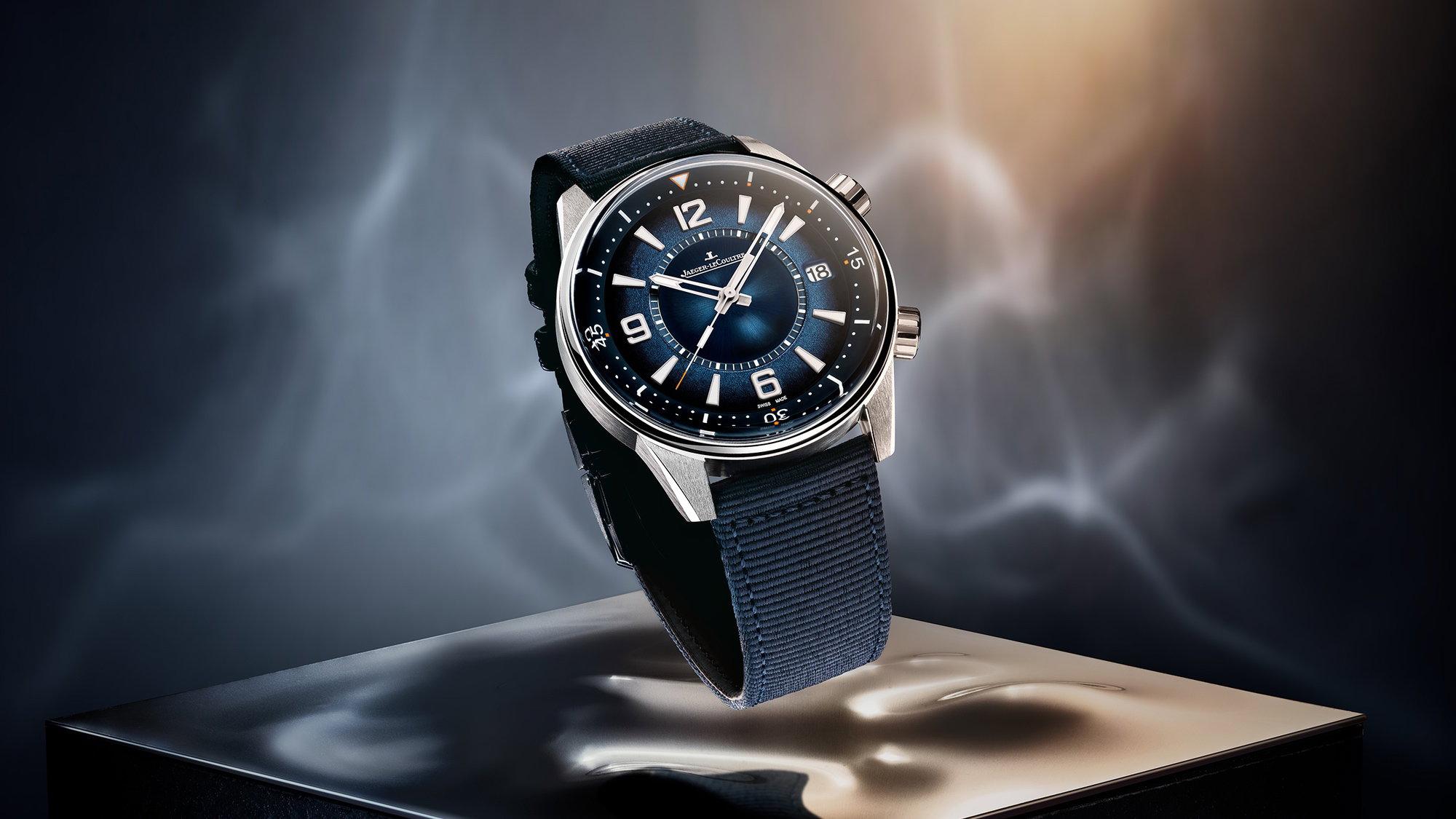
The sports elegant piece. This is the most common and most successful choice for someone who owns a diver. Think of the Jaeger-LeCoultre Polaris, the Omega Aqua Terra, the Cartier Santos, the Vacheron Overseas at the top end. They share a specific quality: enough water resistance and bracelet integrity to be worn carelessly, with a case profile and dial finish that does not look out of place with a jacket. This is the category that gets worn.
The small time only. If your first watch is 40mm or larger, a genuinely small watch is a completely different experience rather than a lesser version of the same one. A 36mm Datejust, a Cartier Tank, a Reverso. These are the pieces that people describe as the ones they kept when they sold everything else, which should tell you something.
The one with a personality problem. A vintage piece, an independent, something with an unusual complication or a dial colour you cannot fully justify. This is the highest risk category and also the one that produces the most attachment. Buy it with money you are relaxed about, and buy it because you like it rather than because someone told you it was undervalued.
What to avoid
Do not buy the same watch in a different colour. A blue dial version of the black dial you already own will feel identical on the wrist by week three, and you will have spent five figures on a novelty that wore off.
Do not buy for the collection rather than the wrist. Watches bought to complete a set, or to fill a perceived hole in a portfolio, are the ones we buy back. We can usually tell which is which from the wear on the clasp.
Do not buy the more complicated version of something you already find complicated. If you never use the chronograph you own, an annual calendar will not fare better.
And be careful with gold as a second watch, unless the gap you wrote down is specifically about formality. Gold changes how a watch is worn far more than most buyers expect, and the ones that come back to us are usually second watches rather than first ones.
The budget question
The uncomfortable truth is that a second watch at half the price of the first is often the more successful purchase, because it removes the anxiety that stops a watch being worn. We sell a lot of $8,000 to $15,000 pieces to people who own something worth five times that, and those are the watches that come back needing a service, which is the best sign there is.
Buying pre-owned matters more here too. On a first watch, the argument for full retail and a boutique experience is at least understandable. On a second, paying a waiting list premium for something you have already decided is optional is difficult to defend.
How to test the decision
Bring your current watch in. Genuinely, put it on the counter next to the candidates and look at the two together, because the comparison on a wrist is not the comparison in a photograph.
Then wear the candidate for twenty minutes while you do something ordinary, like getting a coffee across the road. Most bad second watches announce themselves inside that twenty minutes.
Book an appointment and we will lay out three or four options against whatever you already own. There is no obligation to buy on the day, and we would rather you did not.