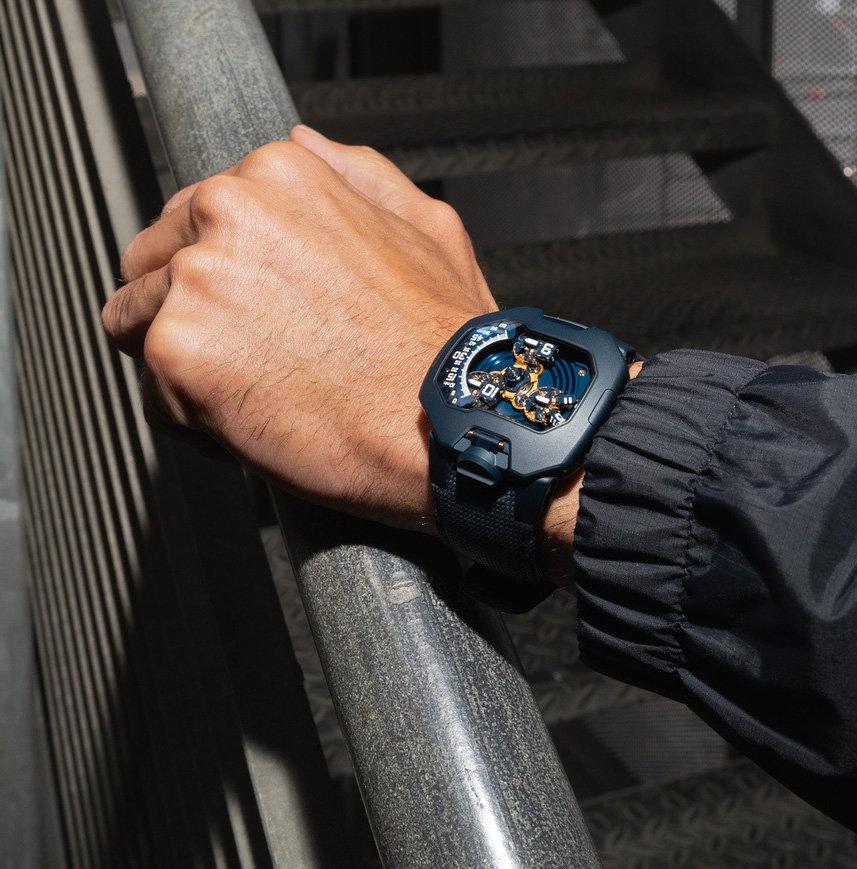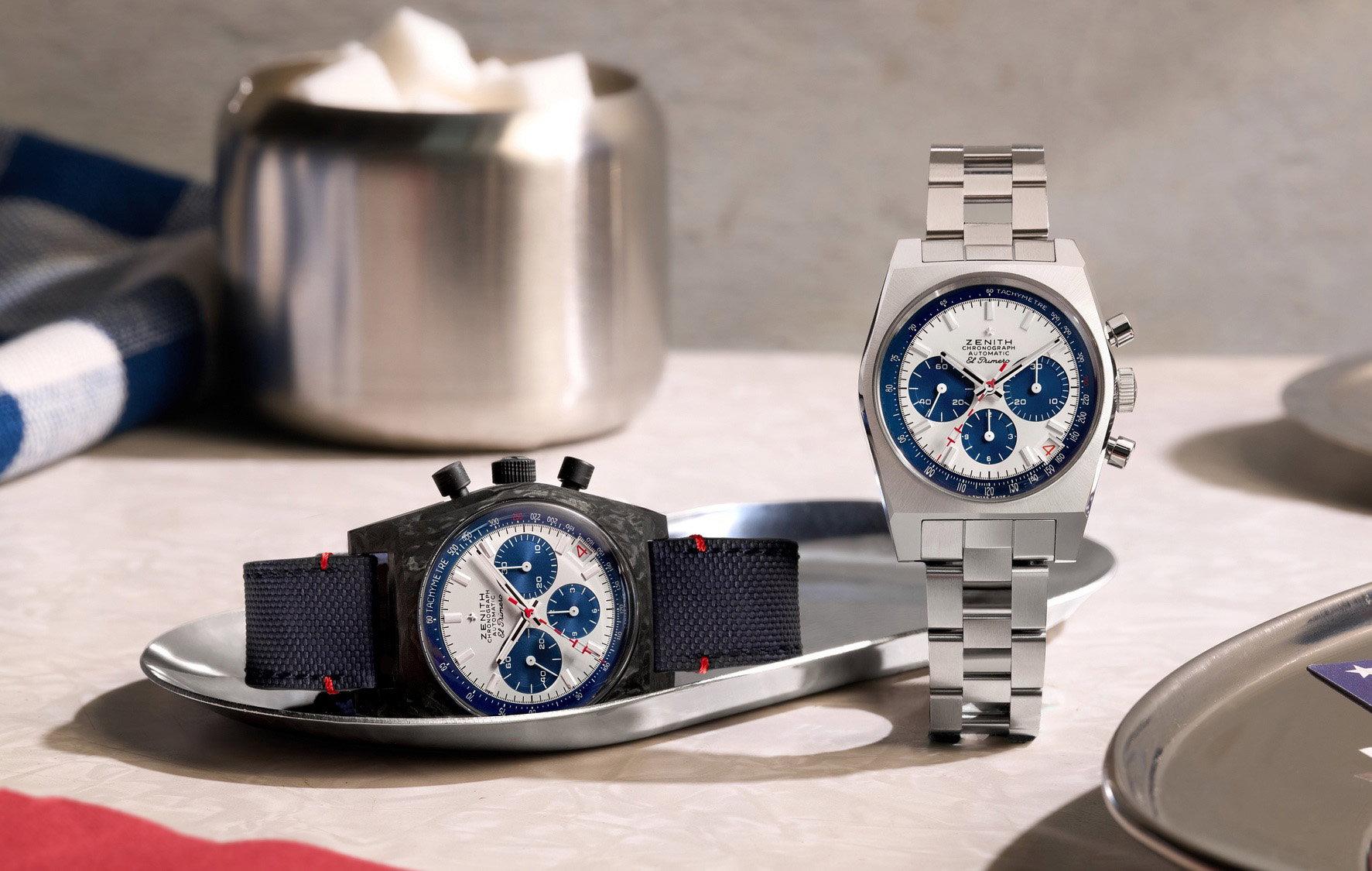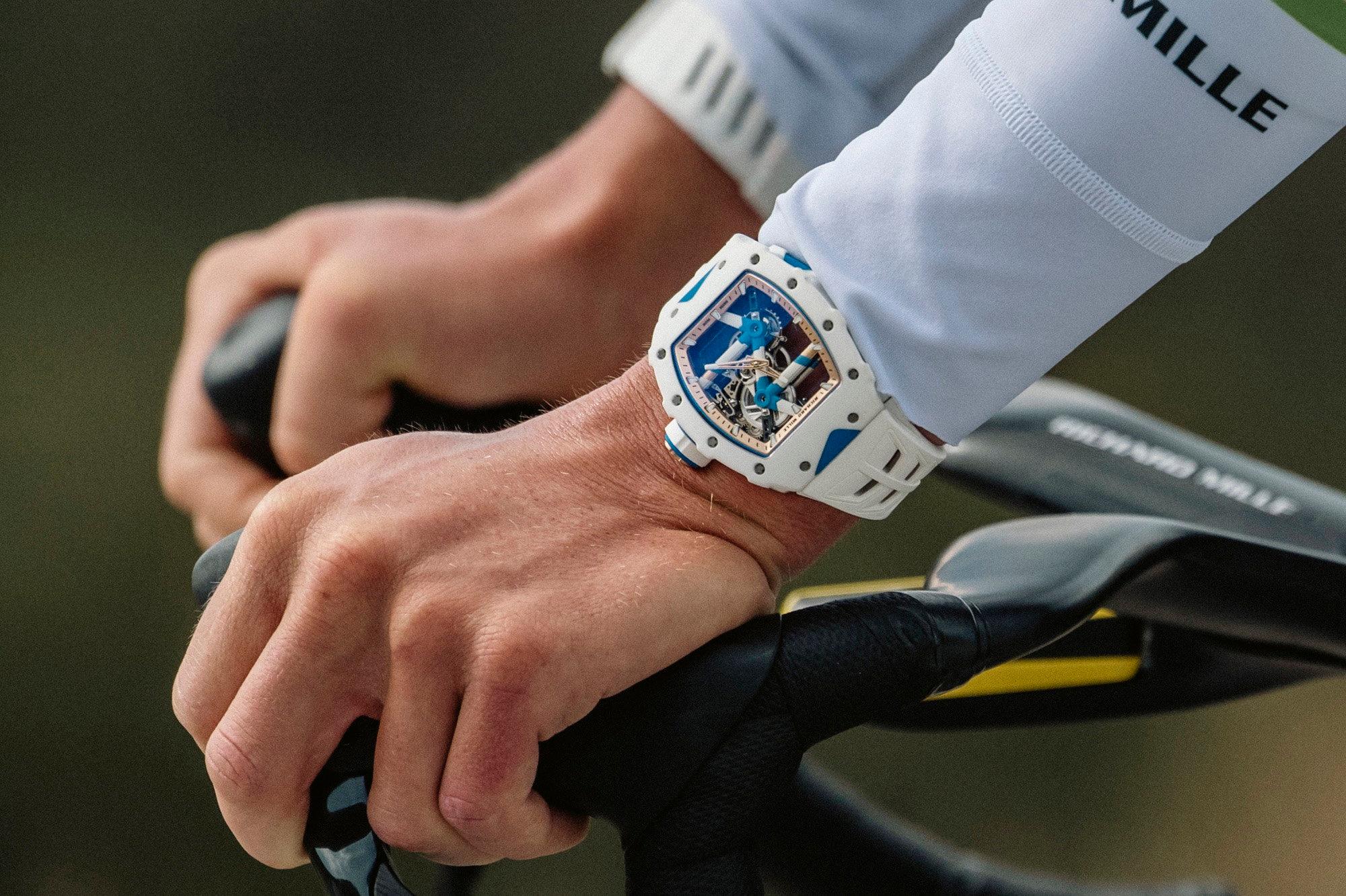
There is a photograph that circulates every few years and always provokes the same reaction. A professional athlete, mid competition, wearing a watch worth more than a house. The comments write themselves. It is vulgar, it is a stunt, nobody needs a tourbillon to ride a bicycle.
All of that is true and none of it is the interesting part.
The stunt is also a test
A tourbillon is a rotating cage that carries the escapement, built to average out the effect of gravity on the balance spring. In a pocket watch, which spends its life in one orientation, that was a genuine solution to a genuine problem. On a wrist, which moves constantly, the accuracy argument is much weaker and most watchmakers will tell you so privately.
What a tourbillon undeniably is, though, is fragile. It is a cage weighing under half a gram, spinning on pivots finer than a hair, holding the most delicate assembly in the movement. Shock is its enemy. Every professional in the industry knows this, which is why putting one on the wrist of someone about to descend a mountain at ninety kilometres an hour is a claim rather than a decoration.
Making that claim survivable is genuinely difficult engineering. The movement gets suspended in the case on cables under tension rather than screwed rigidly to it. The baseplate is grade 5 titanium or carbon composite rather than brass. The case is layered material specifically chosen for how it absorbs and disperses impact. None of that is marketing. It is the reason the watch can be worn where it is worn.
Sport is the only honest laboratory left
Chronometry competitions ended. Observatory trials ended. For a century the industry proved itself through institutions, and those institutions are gone, which left makers with a problem: how do you demonstrate that a movement is robust when a certificate no longer means much to a buyer?
Putting it on an athlete answers the question in public. Either the watch comes back running or it does not, and everybody can see which.
There is an obvious commercial motive layered on top and nobody pretends otherwise. But the commercial motive would not work if the watches failed, and by and large they do not.
What this has done to the market
It has moved the definition of a serious watch. Twenty years ago the top of the market was thin, gold and quiet. Today a meaningful part of it is loud, light, and built from materials borrowed from motorsport and aerospace.
We see this in our own enquiry inbox. The buyer asking about a skeletonised tourbillon in carbon almost never also asks about a perpetual calendar in white gold. They are two different collections that happen to share a price bracket, and the crossover between them is smaller than you would expect.
It has also created a durability expectation that has spread downwards. Buyers now ask about shock resistance, case material and water resistance on watches where those questions would once have seemed odd. That is a good development. It has pushed makers to build better cases across the range.
The part that gets lost
For all the noise, these are still handmade objects produced in very small numbers by people who spend years learning to assemble them. A cage that fine cannot be made by a machine alone, and it cannot be made quickly. Whatever you think about the photograph, the object in it took someone months.
That is worth remembering when the reaction is purely about the price. The price is doing several jobs at once: it is paying for the labour, it is paying for the failures that never leave the workshop, and it is paying for a marketing programme that most buyers of the brand actively enjoy being part of.
Buying into it
If you are considering this end of the market, our advice is unromantic. Buy the specific reference, not the brand story. Values within a single maker vary enormously between references and between materials, and the pieces with genuine athlete association trade differently from those without it.
Check the service arrangement before you buy, not after. These movements go back to the maker, the intervals are shorter than you are used to, and the cost is proportional to everything else about them.
And handle one first. The weight, or rather the lack of it, explains more about why these watches exist than any article can.
Richard Mille and other high complication pieces pass through our hands regularly. If you want to be told when something specific arrives, send us the reference.